
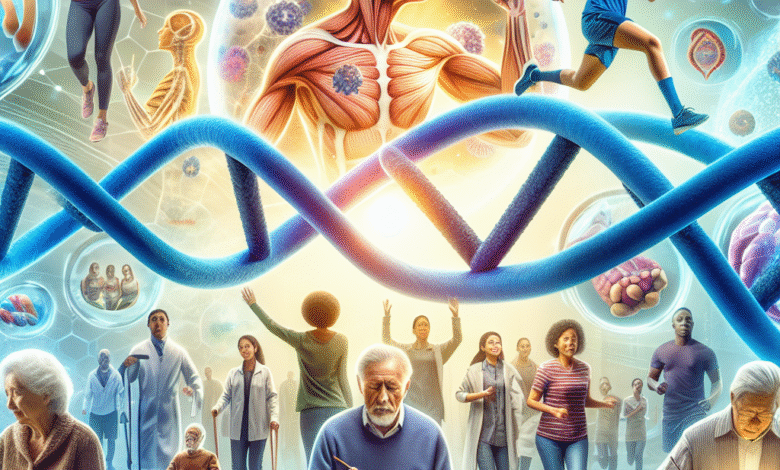
Anti-Aging Science: Blessing or Curse?
Estimated Reading Time: 7 minutes
- Understanding the benefits and challenges of anti-aging science.
- The economic and personal implications of extended lifespans.
- Risks associated with anti-aging interventions.
- Social and ethical considerations in aging research.
- Practical takeaways for recruiters and HR professionals.
Table of Contents
- Scientific Progress and Realistic Goals
- Potential Benefits: The Blessings of Anti-Aging Science
- Risks and Uncertainties: The Curses of Anti-Aging Science
- Philosophical and Psychological Implications
- Current Consensus and Cautions
- Practical Takeaways for Recruiters and HR Professionals
- Call-to-Action
- FAQ
Scientific Progress and Realistic Goals
Over the past few decades, anti-aging research has transformed from a realm of fiction into a credible field of study. While the ultimate goal is not to achieve immortality, the focus is on prolonging the “healthspan”—the period of life spent in good health, free from chronic diseases. Innovations in biotechnology and pharmacology aim to target the biological processes of aging, including remedies for senescent (aging) cells and enhancing DNA repair mechanisms. Notable figures in this field, such as Sergey Young, express optimism that breakthroughs could extend the lifespans of individuals alive today to 150 years within the next 15 to 20 years.
The anti-aging industry has rapidly evolved, transitioning from niche research to a multi-billion-dollar sector. This burgeoning interest reflects not only scientific curiosity but also commercial potential, highlighting the significance of ongoing investment in anti-aging research (Source).
Potential Benefits: The Blessings of Anti-Aging Science
Reduced Burden of Chronic Diseases
One of the most promising aspects of advancing anti-aging therapies is their potential to reduce the prevalence of chronic diseases. Studies indicate that approximately 80% of individuals over the age of 65 have at least one chronic illness (Source). By increasing the number of healthy years, society could greatly mitigate suffering and lower healthcare costs on a global scale.
Economic Productivity
The economic implications of extending healthy lifespans are profound. Research suggests that adding even one or two extra healthy years to an aging population could yield trillions of dollars in positive economic impact. This extended productivity allows older adults to contribute significantly for longer periods, enriching the workforce with their experience and expertise (Source).
Personal Fulfillment
Longer, healthier lives also afford individuals the opportunity to pursue more goals, nurture relationships, and engage more fully in their communities. The ability to experience personal fulfillment over an extended lifespan may lead to richer, more meaningful lives (Source).
Risks and Uncertainties: The Curses of Anti-Aging Science
Long-term Health Risks
However, the pursuit of anti-aging interventions is not without risks. Targeting specific cellular processes can lead to unintended health complications. For instance, drugs designed to rejuvenate senescent cells can disrupt the body’s complex balance, potentially resulting in increased mortality rates when used long-term. Concerns have been raised about certain treatments that initially seem beneficial but may lead to adverse effects over time (Source).
Side Effects of Anti-Aging Interventions
Human growth hormone (HGH) is one anti-aging treatment steeped in controversy. Although it can aid in maintaining muscle mass and combating fat, it also carries significant risks such as carpal tunnel syndrome, fluid retention, and a heightened risk of certain cancers (Source).
Misleading Promises
With the rapid growth of the anti-aging market, there is a risk of exploiting public hope through unproven treatments—often dubbed “snake oil.” These misleading promises can engender distrust and may ultimately harm consumers’ health as they seek out the next miracle solution (Source).
Social and Ethical Concerns
Furthermore, the potential inequities associated with anti-aging science raise critical social and ethical questions. If access to life-extending treatments is limited to wealthier individuals, the gap between socioeconomic classes may widen. The ramifications of prolonged life also lead to questions about resource allocation and societal adaptation.
Philosophical and Psychological Implications
The possibility of living for 150 years encapsulates more than just biological implications; it also provokes deep philosophical inquiries. The allure of perpetual youth may eventually lead to existential challenges, such as boredom, loss, and identity crises. The psychological impacts of such longevity remain largely unexplored, and many discussions surrounding the potential for extended life rarely address these concerns (Source).
Moreover, throughout human history, the inevitability of death has shaped our understanding of life and mortality. Nobel laureate Venki Ramakrishnan emphasizes the importance of this historical context, suggesting that our ability to envision longer lives forces society to contend with profound philosophical questions about life’s meaning and our relationship with death (Source).
Current Consensus and Cautions
While many researchers agree that anti-aging science holds promise for extending healthspan, they caution against over-enthusiasm and premature clinical applications without substantial long-term safety data. The focus should remain on ethical frameworks, comprehensive trial designs, and equitable access to advances in anti-aging therapies.
| Potential Blessing | Potential Curse |
|---|---|
| Extended healthy lifespan (healthspan) | Long-term physiological imbalances and risks |
| Reduced chronic disease burden | Side effects, e.g., from HGH or other drugs |
| Economic productivity gains | Worsening health and wealth inequalities |
| Extended personal fulfillment | Existential and psychological challenges |
| Progress in tackling age-related diseases | Market exploitation, pseudoscience proliferation |
Practical Takeaways for Recruiters and HR Professionals
- Stay Informed: As longevity research evolves, understanding these trends can help organizations prepare for an aging workforce.
- Invest in Healthspan: Consider employee wellness programs that promote physical and mental health, contributing to the overall healthspan of your employees.
- Diverse Talent Pipelines: Acknowledging the potential for increased productivity from older workers, build hiring policies that encourage diversity in age.
- Prepare for Change: Equip your workforce to adapt to industry shifts driven by advancements in longevity and human health, preparing them for new roles in evolving industries.
As AI consulting professionals, we are committed to harnessing the capabilities of technology to help organizations navigate the implications of societal changes like those posed by anti-aging science. By leveraging AI and workflow automation, businesses can optimize their processes and resources to adapt effectively.
Call-to-Action
Are you ready to explore how the future of longevity may impact your organization? Partner with us to discover AI consulting solutions tailored to your unique challenges. Contact our team today to learn how we can support your journey toward sustainable success in a rapidly changing world.
FAQ
What is anti-aging science?
Anti-aging science is a field focused on understanding the biological processes of aging and developing interventions that may extend healthspan—the period of life spent in good health.
What are the main benefits of anti-aging research?
The main benefits include reduced chronic disease burden, increased economic productivity, and enhanced personal fulfillment through healthier, longer lives.
What are the risks of anti-aging interventions?
Risks include potential long-term health complications, side effects from treatments like HGH, and the potential for misleading commercial exploitation.
What are the ethical implications of anti-aging science?
Ethical implications include concerns about access to treatments, the potential widening of socioeconomic gaps, and challenges related to resource allocation and societal adaptation.


